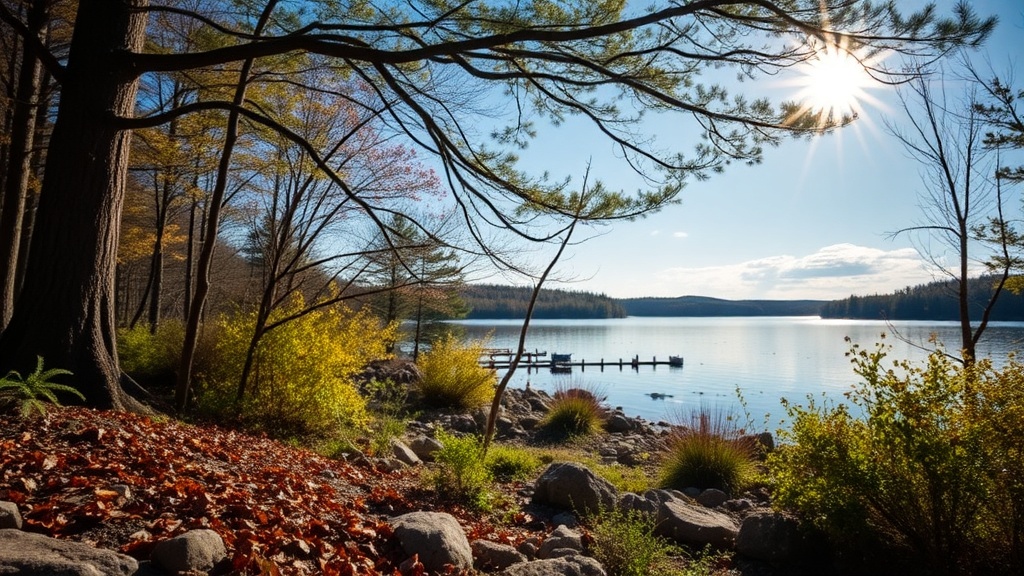
Ways to Support Muskoka's Natural Ecosystems This Spring

A sudden spring thaw in Muskoka often leaves us looking at the muddy, much-needed transition between winter and summer. As the ice retreats from the lakes, the biological clock of our local environment starts ticking. While many of us are focused on cleaning out the garage or prepping the cottage for the season, the real work of the season happens in our backyards and along our shorelines. This year, with Earth Day just around the corner, there's a real opportunity to look at how our daily habits affect the Muskoka we call home. It isn't just about cleaning up; it's about how we interact with the land and water that defines our community.
We've all seen it—the way a single heavy rain can wash sediment into the lakes after a particularly harsh winter. This runoff carries more than just dirt; it can carry fertilizers and debris that disrupt the delicate balance of our local waterways. Understanding how to be a better neighbor to the local environment is something we should all prioritize this month.
Where can I find local conservation information in Muskoka?
If you're looking for real-time data on water levels or local environmental impacts, you won't find better resources than the local municipal offices and conservation authorities. For those living near the much-loved shores of Lake Rosseau or Lake Muskoka, staying informed about seasonal runoff is vital. The Muskoka Watershed Council does incredible work in monitoring the health of our rivers and lakes, and their reports are a goldmine for anyone interested in the actual science of our backyard. You can check their current-state reports at https://www.muskoka watershed council.ca/ to see how our local water systems are responding to the spring thaw.
Another excellent resource for those curious about local land management and protecting our forests is the District of Muskoka website. They provide guidance on everything from shoreline protection to local bylaws. Understanding these rules isn't just about following the law—it's about ensuring that our properties contribute to the long-term health of the Muskoka ecosystem. For example, knowing how to manage your property's edge helps prevent erosion that can eventually affect even the most private waterfront properties.
How do I practice low-impact land management on my property?
Many of our neighbors are currently looking at their properties through the lens of spring maintenance. Instead of the traditional approach of heavy chemical use, we're seeing a shift toward more sustainable practices that respect the Muskola soil. Here are a few ways to keep your impact low:
- Limit Fertilizer Use: Even if it's tempting to get that lawn looking perfect, high nitrogen runoff is a real issue for our local lakes.
- Plant Native Species: When you're updating your garden, look for plants that actually belong in the Muskoka region. They require less water and support our local pollinators.
- Manage Stormwater: If you're doing any renovations this spring, consider how water moves off your roof and driveway. You don't want it carving out a new path through your garden and into the lake.
- Avoid Over-clearing: A little bit of "wildness" on your shoreline is actually a good thing. It provides a buffer for the water and a home for local wildlife.
We've noticed a lot of discussion in local community groups about the impact of invasive species. It's a constant battle here. Keeping an eye out for things like Dog Fennel or certain types of invasive garden plants is a small way you can help protect the natural integrity of Muskoka. If you see something that doesn't look right, reporting it to a local authority can make a massive difference.
What are the best ways to protect our local waterways?
Water is the lifeblood of our community. Whether you're living on a small cottage lot or a large estate, your relationship with the water matters. One of the most effective ways to protect our lakes is through the "Leave No Trace" philosophy, which we usually associate with hiking, but it applies to our backyards too. If you're out on a boat on Lake Joseph or spending time on the docks, remember that everything we do impacts the water quality.
One specific way to help is by being mindful of what goes down the drain. In many parts of Muskoka, septic systems are our primary way of managing waste, and they are incredibly sensitive. A single improper disposal of oil or harsh chemicals can have a cascading effect on the local water table. If you're doing any spring cleaning, make sure you're using a local hazardous waste drop-off point rather than anything that might end up in a sink or a ditch.
We also want to highlight the importance of the Ontario Ministry of Natural Resources and Forestry. They provide extensive documentation on protecting our natural resources. For those interested in the broader provincial context of how our local actions connect to the larger ecosystem, visit https://www.ontario.ca/page/ministry-natural-resources-and-forestry. It's a great way to see how our Muskoka-specific actions fit into the larger picture of Ontario's environmental health.
It's easy to feel like one person's backyard-sized changes won't matter, but in a community like ours, the cumulative effect is huge. When we all decide to use a little less pesticide, or decide to leave a patch of natural shoreline intact, we are collectively protecting the very thing that makes Muskoka so special. It's about being a good steward of the land we've been lucky enough to live on.
As the season progresses and the weather warms up, let's keep these conversations going. Whether you're at the local hardware store or chatting with a neighbor over a fence, sharing these tips is how we keep our community healthy and vibrant. Our natural surroundings aren't just a backdrop; they are the foundation of our way of life here in Muskoka.