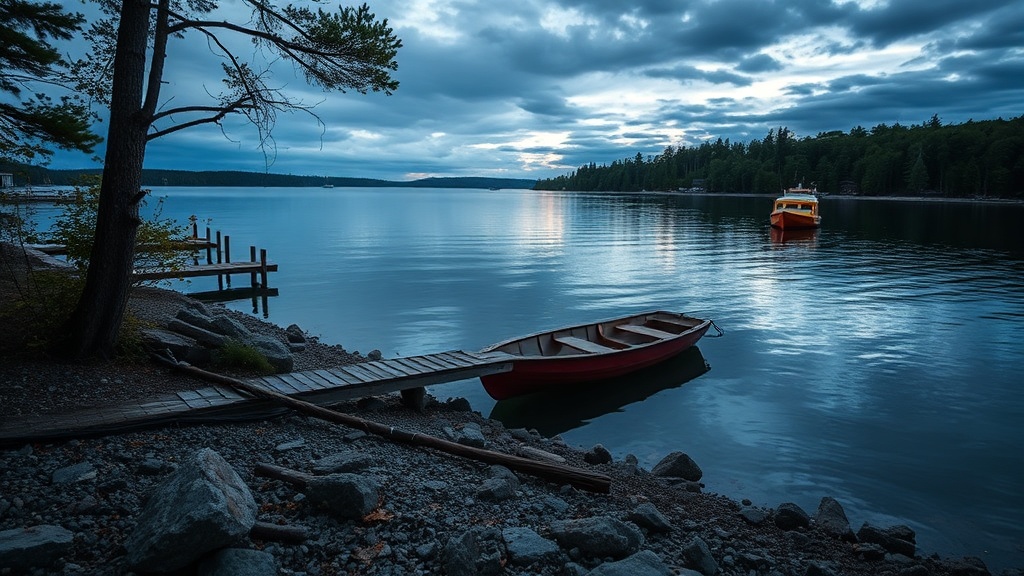
Protecting Your Muskoka Waterfront Property While Following Local Shoreline Bylaws

Most folks moving into our corner of Ontario think that once they’ve signed the deed, the view is theirs to shape as they please. It’s a common mistake—one that can lead to some pretty hefty fines from the District of Muskoka. We aren't just talking about a small ticket; we're talking about orders to replant entire sections of forest at your own expense. This post breaks down the shoreline preservation bylaws that keep our lakes clear and our property values stable. If you’re planning to move a single rock or cut a stray cedar near the water, you need to know where our community stands on environmental protection. We take our water quality seriously here, and the rules reflect that commitment.
The misconception that "it's my land" often hits a wall when property owners realize the first 15 to 30 metres from the high-water mark are heavily regulated. In Muskoka, the shoreline buffer is often called the "ribbon of life." It’s the strip of land where land meets water, and it’s where most of the lake's biological activity happens. When you clear-cut this area to get a better look at the sunset over Lake Joseph or Lake Rosseau, you’re stripping away the filter that keeps those lakes blue. Without that buffer, runoff from your lawn—carrying fertilizers, pet waste, and silt—goes straight into the drink. That leads to algae blooms, and nobody wants to swim in a pea-soup lake. Our local governments have spent decades refining these rules to make sure we don't ruin what makes Muskoka special in the first place.
Why do I need a permit for Muskoka shoreline work?
You might think that putting in a simple stone path or clearing some brush shouldn't require a trip to the municipal office. However, the District of Muskoka has specific Site Alteration Bylaws that trigger the need for permits for almost anything that changes the grade of the land. This includes bringing in fill, removing soil, or blasting rock. Even if you're just trying to level out a spot for a fire pit near the dock, you’re likely crossing a line that requires official approval. The goal isn't to stop you from enjoying your yard; it's to prevent erosion. Once you disturb the soil on a slope in a place like Bracebridge or Gravenhurst, the next big rainstorm will wash that dirt right into the lake bed, smothering fish spawning grounds.
Dealing with the planning department can feel like a headache, but it’s a lot easier than dealing with a stop-work order. You should start by checking with your specific township—whether that’s Muskoka Lakes, Huntsville, or Georgian Bay—because while the District sets the broad strokes, the local towns often have even stricter rules. You’ll usually need to submit a site plan that shows exactly where you want to work, what trees are staying, and how you’re going to stop silt from reaching the water. (Pro tip: always keep your silt fencing in good repair, as inspectors in our community have a keen eye for those black fabric barriers flapping in the wind). You can find the official permit applications on the District of Muskoka planning portal.
What counts as a violation of Muskoka tree-cutting bylaws?
One of the most frequent calls we hear about in our neighbourhoods involves the sound of a chainsaw where it shouldn't be. The Muskoka Tree Cutting Bylaw is very specific about what can be removed within the shoreline buffer. Generally, you aren't allowed to clear-cut. In many zones, you have to maintain at least 75 percent of the natural vegetation within that 15-metre buffer zone. This doesn't mean you can't have a view; it means you have to "window" through the trees rather than removing them entirely. Trimming lower branches to see the water is usually okay, but taking down a healthy White Pine just because it’s in the way of your deck vision is a big no-no.
The penalties for breaking these rules are steep. If a neighbour calls in a tip and a bylaw officer shows up to find a cleared lot, the fines can run into the thousands per tree. Plus, the legal headache of a registered notice on your property title can make it impossible to sell or get a mortgage until the damage is fixed. We’ve seen cases where owners had to spend fifty thousand dollars to bring in mature trees and professional planters to restore what they thought was just "some scrub brush." It’s always better to work with a local arborist who knows the Muskoka rules. They can help you identify which trees are hazardous—and therefore legal to remove—and which ones are protected heritage species that need to stay put. The Muskoka Watershed Council provides excellent guides on how to manage these trees without breaking the law.
How do I apply for a shoreline buffer exemption in Muskoka?
Sometimes, the natural terrain of your lot makes it impossible to build within the existing rules. Maybe you have a massive rock outcropping that forces your path closer to the water, or perhaps you're dealing with a legacy property that was cleared decades ago and needs a new approach. In these cases, you might need to apply for a Minor Variance or a specific exemption. This involves a public hearing where your neighbours get a chance to weigh in on your plans. In our community, these meetings are often where the real local politics happen. People are protective of their lake's character, so if your plan looks like it will harm the shoreline, expect some pushback from the folks next door.
To get an exemption, you’ll need a solid reason and, usually, a plan for "net gain." This means if you have to remove a tree over here, you’re promising to plant three more over there. You might also have to install a rain garden or a more advanced septic system to offset the impact of your construction. It’s a bit of a trade-off. The planning staff in Huntsville or Bracebridge are generally helpful if you come to them with a spirit of cooperation rather than trying to hide your work. They’d rather see a well-planned project that protects the lake than a illegal one they have to prosecute later. If you're unsure where to start, looking at the official town maps is a good first step to see what zoning applies to your specific stretch of Muskoka shoreline.
When you're looking at your shoreline, think about the long-term health of our community. Native plants like Sweetgale, Dogwood, and various sedges aren't just weeds; they have deep root systems that hold the bank together during the spring melt. When we replace those with a manicured lawn that goes right to the water’s edge, we’re asking for the land to slump into the lake. Plus, those native plants provide cover for the frogs and turtles that keep the mosquito population in check. It’s a win-win for everyone if we just leave a little bit of the wildness intact. Most of us moved to Muskoka because we love the rugged look of the Shield—trying to turn it into a suburban golf course is a losing battle against nature anyway.
If you've already cleared some land and are feeling a bit of regret (or if you’ve inherited a bare lot), restoration is simpler than you think. You don't need to hire a fleet of excavators. Often, just stopping the mowing within 10 metres of the water will allow the natural seed bank in the soil to take over. Within two or three seasons, you’ll see those native Muskoka species coming back on their own. You can supplement this with some targeted planting of indigenous shrubs. The local nurseries around Gravenhurst and Port Carling carry a lot of these species because they know they’re the only things that will survive our winters and satisfy the bylaw officers. Keeping things local and natural is the best way to ensure your property remains a part of the Muskoka heritage we all value so much.