Preparing Your Muskoka Cottage for the Winter Freeze

What you need to do before the first frost hits Muskoka
This guide covers the specific steps every Muskoka cottage owner needs to take to protect their property during the harsh winter months. We're talking about more than just turning off the heat; we're looking at the specific realities of living in the District of Muskoka, from water-main safety to protecting your outdoor structures from heavy snow loads. If you live in areas like Bracebridge, Gravenhurst, or Port Severn, you know that a Muskoka winter isn't a joke—it's a test of how well you've prepared your home.
Our community knows that the transition from autumn to winter can happen overnight. One day you're enjoying the last of the fall colors near Deerhead, and the next, you're looking at a dusting of snow. Preparing your home early is the only way to avoid those frantic, middle-of-the-night calls to local plumbers or handymen. We've seen too many neighbors struggle because they waited until the first freeze to think about their pipes.
How do I prevent frozen pipes in a Muskoka winter?
The biggest concern for many of us in Muskoka is the plumbing. When the temperature drops below freezing, the risk of a burst pipe is high if you aren't careful. First, you'll want to drain your irrigation systems—if you have one—completely. Don't just turn the water off; make sure the lines are blown out with air. If you're leaving your cottage unattended for the season, you'll need to shut off the main water supply and drain every single faucet and toilet.
We recommend checking the insulation around your exterior faucets and any exposed pipes in the basement or crawl spaces. In many Muskoka homes, especially the older cottages near Lake Rosseau or Lake Muskoka, these areas are prone to extreme cold. It’s a good idea to use heat tape or extra insulation on pipes that run through unheated sections of your home. If you're staying in your home, just ensure your thermostat is set to a minimum of 15 degrees Celsius (about 59 degrees Fahrenheit) to keep the air moving and the pipes from freezing.
Where should I store my outdoor furniture and gear?
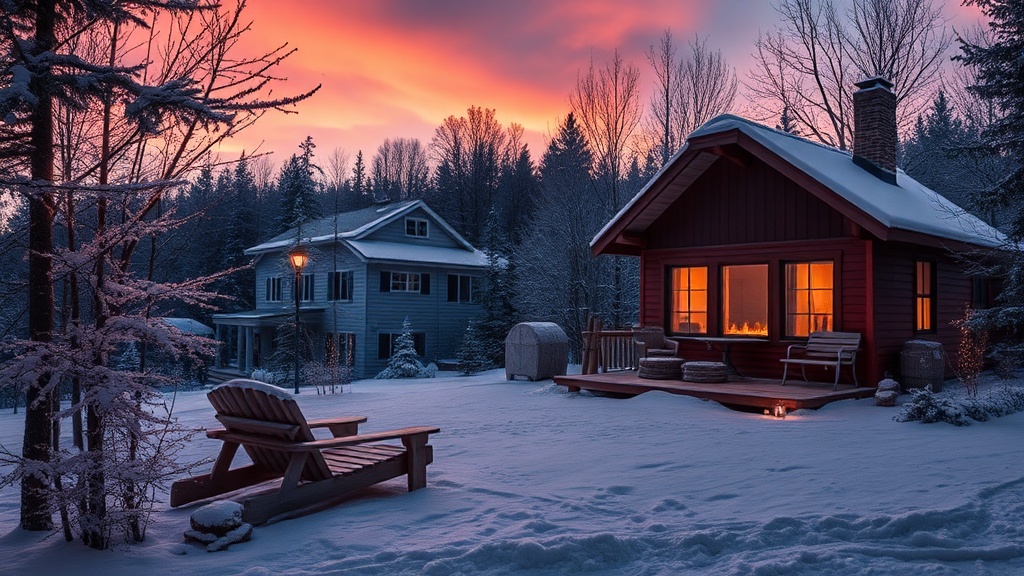
The heavy snowfalls we get in the Muskoka region can be brutal on your outdoor belongings. If you leave your patio furniture or heavy Adirondack chairs out on the deck, they'll likely end up covered in a thick layer of ice and snow by January. We suggest moving anything lightweight into a garage or a sturdy shed. For larger items that must stay outside, like heavy wooden benches, ensure they are properly treated for the weather.
One thing we often see locals doing is leaving their lawn furniture out, but it's better to stack it or use heavy-duty waterproof covers. If you have a boat docked near a marina in Port Carillon or anywhere else in the Muskoka waterways, make sure it's properly winterized and lifted out of the water if required by your slip's regulations. The freeze-thaw cycle in our region can be quite aggressive, and a boat left in the water can suffer significant damage from ice pressure.
How do I protect my deck and dock from heavy snow?
Our docks are a staple of the Muskoka lifestyle, but they require serious work before the ice sets in. If you have a floating dock, make sure it's secured and, if possible, moved to a sheltered area or a more stable part of the shoreline. For fixed docks, ensure there are no loose boards that could be lifted by ice expansion. We've noticed that many people forget to clean their decks, too. Debris left on a deck can trap moisture, which then turns into a sheet of ice that can damage the wood surface when it thaws in the spring.
For those with large decks, consider the weight of the snow. While most modern decks are built to handle it, an excessive buildup can put stress on the structure. It's a good practice to clear off any fallen branches or heavy debris that might have landed on your deck during an autumn storm. Keeping the area around your home clear of excess brush also helps prevent local wildlife from congregating too close to your foundation during the winter months.
One of the most important things we can do as a community is to check in on our neighbors. If you have an older neighbor in a more isolated area of Muskoka, perhaps near the outskirts of Bracebridge or deep in the woods, check if they need help with their winterization. A little bit of help goes a long way in keeping our community safe and resilient through the long, cold months. You can find more information about local weather patterns and safety through the Environment Canada website to stay ahead of any sudden freezes.
Finally, don't forget to check your generator or backup power systems. In the Muskoka area, power outages during a heavy snowstorm are quite common. Ensuring your backup power is functional and has enough fuel is a vital part of your winter prep. For more detailed local news and municipal updates, keeping an eye on the Town of Bracebridge or your local municipality's official pages is always a smart move.