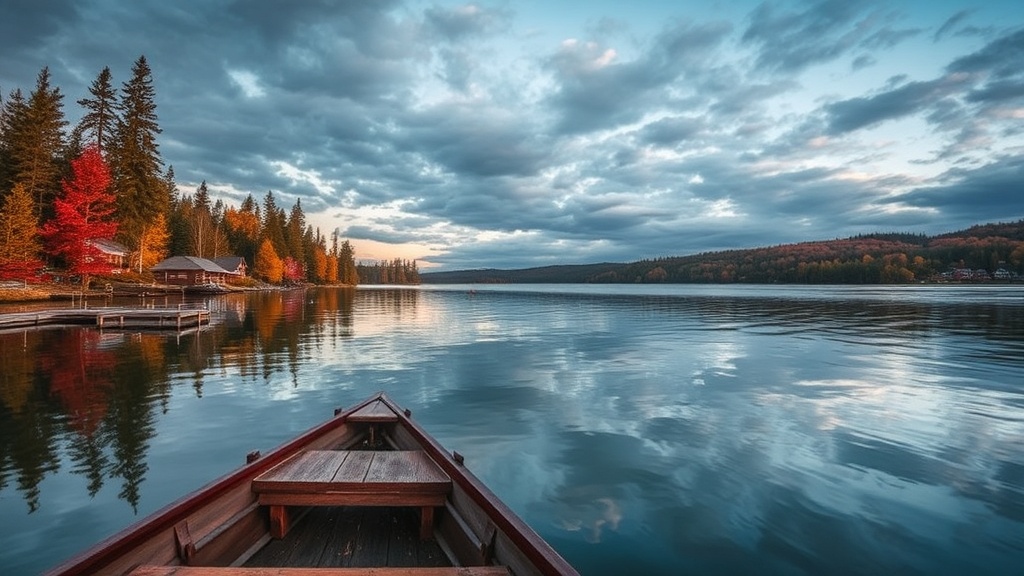
Hidden Gems Along the Scenic Muskoka Waterways

Most people think that seeing the best of Muskoka requires owning a high-end pontoon or a massive cruiser. That's a mistake. This post covers the specific, lesser-known waterways and access points—from the narrow channels of the Moon River to the quiet inlets of Lake Rosseau—that offer the best views without the heavy boat traffic. I'll break down exactly where to go, what gear actually works for these waters, and how to avoid the crowds that cluster around the big marinas.
The truth is, the most beautiful parts of our region are often tucked away in spots that larger vessels simply can't reach. If you're stuck in a slow-moving boat on a main channel, you're missing the real magic. You need a smaller footprint to see the real Muskoka.
Where Can You Find Quiet Waterways in Muskoka?
The quietest waterways are found in the narrow, winding channels connecting the larger lakes, particularly around the Magnetawan River and the smaller arms of Lake Muskoka. While everyone is out on the open water of Lake Rosseau or Lake Joseph, the real peace is found in the shallow inlets and the river systems. These areas are often overlooked because they require a bit more attention to depth and navigation.
If you want to avoid the "highway" traffic, look for the secondary channels. These are the veins of the region. They aren't just pretty—they're often teeming with wildlife that stays away from the wake of large motorboats. You'll see more loons, turtles, and even the occasional moose near the riverbanks than you ever will in the middle of a large lake.
A few spots worth your time:
- The Moon River: It's winding, it's narrow, and it's incredibly scenic. It's perfect for a slow paddle.
- The Seguin River: Great for seeing the way the water moves through the granite outcrops.
- Small Inlets on Lake Rosseau: Look for the areas where the shoreline becomes heavily wooded and the depth drops.
Don't just follow the crowds to the big docks. The best views are usually a few hundred yards off the beaten path. (And yes, you'll probably need a much smaller boat to get there.)
For those interested in the actual geography and how these water systems interact with the local terrain, the Wikipedia entry on Muskoka provides a great historical and geographical overview of the region's formation.
What Type of Boat is Best for Narrow Channels?
A lightweight canoe or a high-quality kayak is the best choice for navigating the narrow, shallow channels of the Muskoka waterways. While a motorboat has its perks, the shallow depths and tight turns of the smaller inlets often make larger boats a liability. You want something maneuverable that doesn't rely on a deep draft.
I've spent plenty of time in both, and the difference is night and day. If you try to take a standard fishing boat into a tight creek, you're going to be constantly worrying about your propeller hitting a rock or a submerged log. That's not a relaxing afternoon; it's a stressful one.
Here is a quick comparison of common watercraft for these specific areas:
| Craft Type | Best For | Pros | Cons |
|---|---|---|---|
| Canoe | Exploring inlets | Great stability, high capacity | Slower than a kayak |
| Kayak | Tight maneuvering | Very agile, easy to portage | Less storage space |
| Small Aluminum Boat | Short distances | Can use a small motor | Risk of hitting shallow spots |
| Paddleboard (SUP) | Calm water cruising | Great for fitness/views | Harder in wind/current |
If you're looking for something durable, I always suggest looking at brands like Old Town for canoes or Olympus for kayaks. They're built to handle the occasional bump against a granite shore without much drama. If you're planning on a long day out, don't forget a high-quality dry bag to keep your phone and snacks safe.
The water can change quickly. One minute it's a calm pool, the next, a light breeze has created small chops. This is why a low-profile kayak is often better than a tall paddleboard if you're heading into the more exposed river sections.
How Much Does It Cost to Access These Areas?
Accessing these hidden gems can cost anywhere from zero dollars for public land to a few hundred dollars for private dock fees or rentals. Most of the scenic waterways are public, but how you get to them—and where you park—will dictate your budget.
If you own your own gear, your cost is essentially just gas for your vehicle and maybe a snack. But if you're a visitor, you'll likely be renting. Here's how the costs usually break down in our area:
- Public Parks: Access to many provincial parks or public landing spots is included in your Ontario Parks pass or a daily vehicle permit fee.
- Local Rentals: Expect to pay between $45 and $85 per hour for a high-quality kayak or canoe rental in towns like Bracebridge or Gravenhurst.
- Full-Day Rentals: If you want to spend the whole afternoon, look for daily rates which often sit around $150 to $250.
It's worth noting that many local marinas offer much better rates if you rent for a full weekend rather than just a few hours. If you're staying in an Airbnb or a cottage, check if they have a canoe on-site. Most do. It's a standard amenity here, and it saves you a massive headache (and a lot of money) on rentals.
One thing to watch out for: some private docks and residential channels are strictly off-limits. It's easy to accidentally wander into someone's "backyard" if you aren't paying attention to the signage. Respect the local boundaries. It keeps the community friendly and ensures these spots stay open for everyone.
If you're planning a trip involving more motorized transport, keep an eye on the fuel prices at the local marinas. They tend to be slightly higher than the gas stations in town, but you're paying for the convenience of being right on the water.
The weather is the one variable you can't control. I always check the Environment Canada forecast before heading out. A beautiful sunny day can turn into a nasty windstorm in the middle of a river system faster than you'd think. If the wind is picking up, get back to the shore. It's not worth the fight.
Whether you're a seasoned paddler or someone who just wants a quiet place to sit and watch the sunset, these waterways offer a side of Muskoka that the big boaters never see. It's a different pace. It's slower, it's quieter, and it's much more intimate. Just remember to bring a waterproof bag, a reliable map, and a sense of direction—because those winding channels can get confusing if you aren't careful.
If you find yourself near the Moon River, try to find a spot where the current slows down. That's where the best wildlife viewing happens. You'll see the herons standing perfectly still in the shallows, waiting for a meal. It's one of those moments that makes you realize why people keep coming back to this part of Ontario.