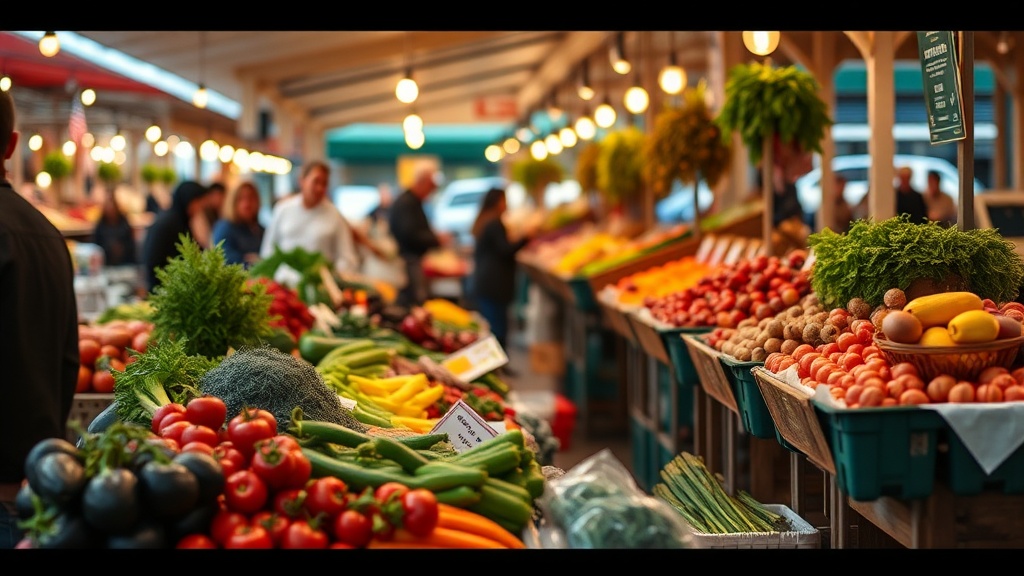
Finding the Best Local Farmers Market Finds

Ever wonder why the produce at the local market tastes so much better than the stuff in the grocery store aisle? This guide breaks down how to identify high-quality seasonal produce, when to visit specific Muskoka markets, and how to shop like a local insider. You'll learn to spot the difference between mass-produced goods and truly fresh Ontario-grown staples so you don't waste your Saturday morning.
What is the best time to visit Muskoka farmers markets?
The best time to visit is early in the morning, ideally between 8:00 AM and 10:00 AM, to secure the most sought-after seasonal items. If you show up at noon, you'll often find empty crates or only the leftover, less-desirable produce. Most markets in the Muskoka District—including those in Bracebridge or Gravenhurst—operate on a weekly schedule, often peaking during the summer months when the harvest is at its height.
Timing isn't just about the clock; it's about the season. In the spring, you're looking for asparagus and ramps. By July, it's all about berries and stone fruits. If you're looking for a way to spend a slow morning, checking out the markets is a great way to explore Muskoka's hidden gems without the stress of a formal tour.
Keep in mind that weather affects everything here. A rainy morning might mean fewer vendors, but it also means less crowded aisles. On the flip side, a sunny Saturday in August means you'll be fighting for a parking spot near the town square. Plan accordingly.
The Seasonal Produce Calendar
Knowing what is actually in season in Ontario prevents you from paying premium prices for out-of-season items that were flown in from halfway across the world. Here is a quick breakdown of what to look for:
- Late Spring (May/June): Rhubarb, green onions, and early leafy greens.
- Summer Peak (July/August): Strawberries, blueberries, heirloom tomatoes, sweet corn, and peaches.
- Early Autumn (September/October): Apples, squash, pumpkins, and hardy root vegetables.
How much does organic produce cost at local markets?
Organic produce at local markets generally costs 20% to 50% more than standard grocery store prices, but the quality and nutrient density are often significantly higher. Prices fluctuate wildly based on the yield of the season and the current weather patterns in Ontario. For instance, a pint of blueberries might be $5.00 one week and $8.00 the next depending on the recent rainfall.
It's a common misconception that farmers' markets are always more expensive. While certain specialty items like artisanal cheeses or hand-crafted sourdough will carry a premium, you can often find incredible deals on "ugly" produce or bulk vegetables toward the end of the market day. Many vendors would rather sell their last crate of tomatoes for a discount than pack them up and haul them back to the farm.
The value isn't just in the price tag, though. When you buy from a local farmer, you're supporting the local economy and reducing the carbon footprint associated with long-distance shipping. It's a direct investment in our region. (And honestly, the flavor of a tomato grown in Muskoka soil beats a tasteless supermarket one every single time.)
| Product Type | Typical Market Price (Per Unit) | Best Season in Ontario |
|---|---|---|
| Strawberries | $5.00 - $7.00 / Pint | June - July |
| Sweet Corn | $1.00 - $2.00 / Ear | July - August |
| Honey (Local) | $10.00 - $15.00 / Jar | Year-round |
| Heirloom Tomatoes | $4.00 - $6.00 / lb | August |
How do I identify high-quality seasonal produce?
High-quality produce is identified by its scent, weight, and color rather than just its appearance. To ensure you're getting the best, you need to look past the bright, waxed coatings found in big-box stores and focus on the natural characteristics of the food.
Here is a quick checklist for your next market run:
- The Scent Test: If a fruit or vegetable has no smell, it likely won't have much flavor. A ripe peach should smell like a peach. If the herbs don't have a strong aroma, leave them.
- Weight Matters: For items like citrus or melons, a heavier weight usually indicates more juice. If a vegetable feels light or hollow, it's likely old or dehydrated.
- Color and Texture: Look for vibrant, natural colors. For greens, avoid anything with wilted edges or yellowing leaves. For root vegetables, the skin should be firm and free of soft spots.
- The "Touch" Rule: Be gentle. You don't want to bruise the berries or the peaches while you're inspecting them. If a vendor sees you squeezing the produce, they might think you're looking for flaws, but a light touch is necessary to check for firmness.
One thing to watch out for is "perfect" looking produce. Often, the most delicious vegetables are a bit irregular in shape. A slightly crooked carrot or a lumpy tomato is usually a sign of natural growth rather than heavy processing. If it looks too perfect, it might have been treated with excessive preservatives or waxes. You can check the principles of organic farming to better understand why natural variations occur.
Don't forget the pantry staples. Local honey and maple syrup are much more than just sweeteners; they are foundational to Ontario's culinary identity. A high-quality, local maple syrup has a depth of flavor that you simply won't find in the generic stuff. It's worth the extra couple of dollars.
When you're shopping for bread, look for sourdough or crusty loaves from local bakeries. These often use grains grown right here in Ontario. The crust should be crisp, and the interior should be airy. If the bread feels soft and spongy like a sandwich loaf, it's likely highly processed and won't have that authentic texture.
The catch? Most vendors are cash-heavy or use specific mobile payment systems. While many have moved toward accepting credit cards, it's always a smart move to carry some cash for those smaller, one-off purchases like a bunch of wildflowers or a single bag of apples. It keeps the transaction fast and keeps the farmer happy.
If you find yourself with a surplus of fresh goods, don't let them go to waste. Local farmers often have great tips on how to preserve their harvests. Whether it's pickling, freezing, or making preserves, these skills are part of the local tradition. If you're planning a weekend trip to the area, you might want to look at how to plan the perfect Muskoka weekend to ensure you have enough time to actually enjoy these seasonal treats.
Shopping local isn't just a chore; it's a way to connect with the land and the people who live on it. Next time you're out, don't just grab a basket and go. Talk to the person behind the stall. They usually have the best stories and the best advice on what's actually ready to eat today.
Steps
- 1
Check the Seasonal Calendar
- 2
Arrive Early for Best Selection
- 3
Bring Reusable Totes and Cash
- 4
Talk to the Producers