Community Groups in Muskoka That Actually Welcome Newcomers
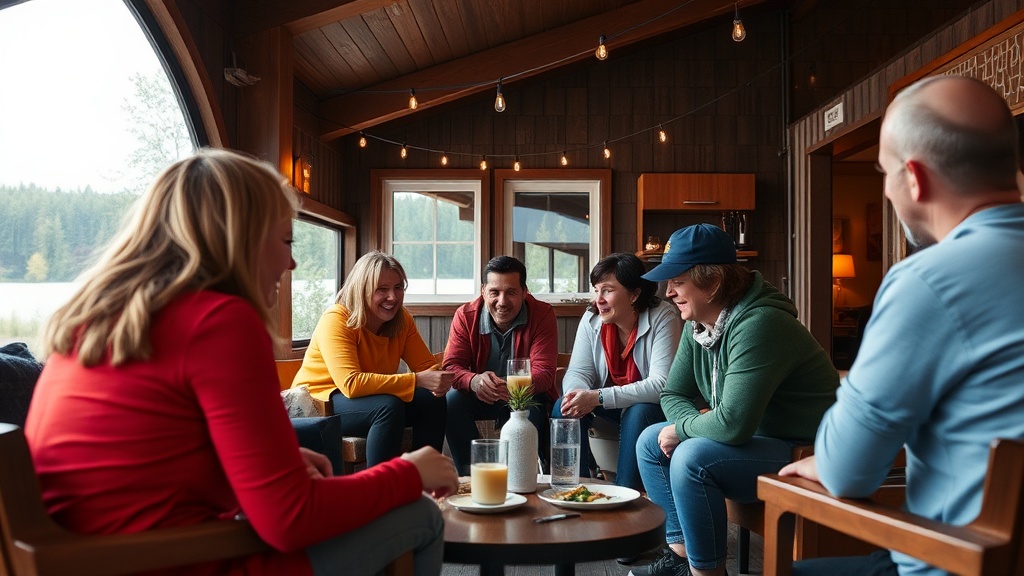
You wake up in February. The snow hasn't stopped for three days, and you've spoken more words to your coffee maker than to another human since Monday. This isn't the Muskoka you imagined when you moved here—summers on the lake gave way to a winter reality where working from home feels less like freedom and more like isolation. Owning a postal code in Bracebridge or Gravenhurst doesn't automatically mean you belong here. We know the difference between being a resident and being part of our community. It shows up in the small things—whether someone nods when you pass on Manitoba Street, if you have a default coffee order at a local shop, whether you know who's organizing the spring cleanup. Finding your people here requires showing up repeatedly. Not once—repeatedly. These groups offer actual entry points, not just single events, for newcomers ready to put down roots.
Where Can I Find Hobby Groups That Meet Year-Round?
The Muskoka Horticultural Society doesn't care if you can barely keep a succulent alive. They meet monthly at the Bracebridge Public Library on Manitoba Street, and their membership includes everyone from professional gardeners to people who just like talking about dirt. Their guest speaker series runs through winter—practical talks on native plants, soil health, preparing for spring. Show up at two meetings and someone will remember your name. Show up at four and you'll get drafted into helping with the spring plant sale, which is where the real conversations happen while you're sorting trays of tomatoes.
If you'd rather move than talk about plants, Cycle Muskoka gathers Wednesday evenings at various trailheads around the region. They split into groups by speed, so you won't get dropped if you're not training for the Muskoka Grind. The post-ride ritual matters more than the ride itself—someone inevitably suggests heading to a local spot for food, and that's where you learn which roads are being repaved or where to find a reliable plumber. The cycling community here spans ages and professions; you'll find retirees and tech workers who've fled Toronto sharing mechanical tips in the parking lot.
Writers have the Muskoka Authors Association, which meets in Gravenhurst and actually workshops writing rather than just drinking coffee together. Bring ten pages, get honest feedback from people who've published books and people who haven't. The format keeps it structured—no rambling monologues about inspiration. For readers, the independent bookstores in Bracebridge host genre-specific clubs that meet after hours. The mystery readers gather on Thursdays; the sci-fi crowd takes Tuesdays. You don't finish every book. You don't have to. The point is sitting in a circle of actual chairs, discussing why a character made a choice, disagreeing with someone who becomes less of a stranger by the end of the hour.
Are There Professional Networks for Remote Workers Based in Muskoka?
Working remotely from a cottage sounds idyllic until you realize you haven't changed out of sweatpants in four days and your only colleague is the squirrel on your deck. The Muskoka Chamber of Commerce runs monthly networking events that aren't as formal as they sound—the February gathering happens at a local brewery, and the August one might be a dock party. These aren't chambers of commerce as you know them from the city. Here, the person handing you a business card might also be the one plowing your driveway next week.
Remote workers have created informal networks that don't show up on official calendars. The corner table at Oliver's Coffee on Manitoba Street becomes a co-working space by 10 AM—laptops open, phone calls taken on the sidewalk, introductions made when someone asks about your sticker-covered water bottle. There's no membership fee, no organizer, just a mutual recognition that working alone doesn't have to mean being alone. I've seen collaborations start this way—web designers meeting copywriters, developers finding project managers—deals made not in conference rooms but over shared complaints about unreliable rural internet.
The real value isn't transactional. It's knowing that when your project hits a wall, you can text someone who's also working from their kitchen table in Windermere or Port Carling. These relationships develop slowly. You see the same faces at the post office, at the farmers market, at the arena during a hockey game. Eventually, you stop talking about work and start talking about everything else. That's when you know you've actually networked.
What Volunteer Opportunities Actually Build Friendships?
Donating money is easy. Donating time alongside the same people every week—that's how you build history. The Gravenhurst Opera House relies on volunteers for everything from concession sales to set construction. Spend three weekends painting flats for a community theatre production and you'll have inside jokes with people you didn't know existed a month ago. The work is tangible. You see the results immediately: a backdrop that didn't exist, a scene that comes together because you held a piece of wood steady while someone else screwed it in.
Community gardens in Bracebridge operate on a model where you don't just get a plot—you contribute to common spaces. Weeding the herb garden together in June leads to tomato surplus exchanges in August. You learn who has too many zucchini (everyone) and who makes excellent pickles (the woman in the third plot who also knows a good mechanic). The District of Muskoka coordinates trail maintenance groups that clear brush and repair boardwalks on local paths. It's physical labor that leaves you sore and satisfied, followed by coffee from someone's thermos while you rest on a log.
Food banks always need help, but the shifts that build real connection are the regular ones—Tuesday morning sorting, not the annual holiday drive. You see the same volunteers, learn their patterns, hear about their lives between the boxes of cereal. Some of our strongest local advocates started as volunteers who simply kept showing up. They didn't arrive with agendas. They arrived with availability.
You won't find your people immediately. The first meeting of any group feels awkward—you're the new voice, unfamiliar with the history, unsure of the inside references. That's normal. Go back. The second time, you'll recognize a face. The third time, someone will ask about your weekend. By the fifth visit, you'll have a specific seat you prefer, a person you look for when you walk in. Community isn't something you discover in Muskoka like a hidden waterfall. It's something you construct through repeated presence, through choosing to be visible even when it's easier to stay home. We've all been the stranger here. The groups that matter are the ones that remember what that feels like—and make room anyway.